
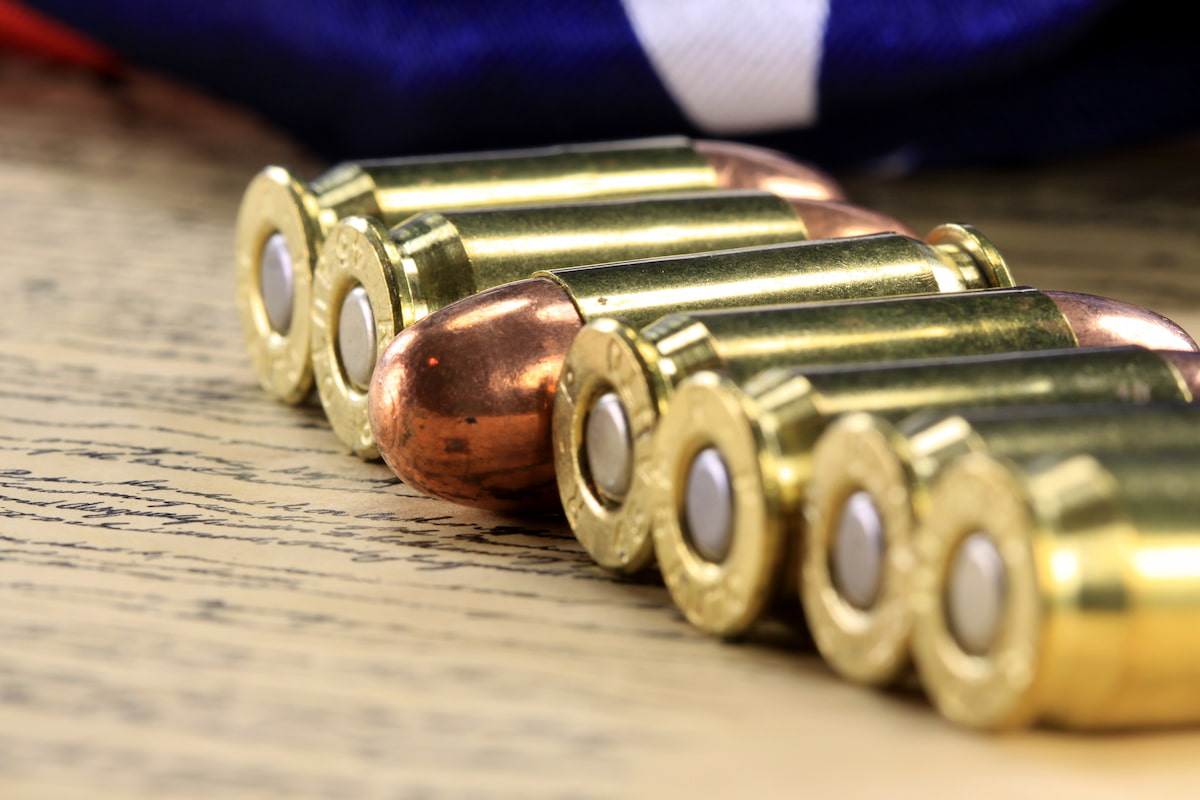
In simple terms, +P ammo is ‘hotter’ ammunition designed to deliver higher speed and energy than standard rounds.
In the world of ballistics, +P (Plus-Pressure) refers to ammunition that has been loaded to a higher internal pressure than standard SAAMI (Sporting Arms and Ammunition Manufacturers’ Institute) specifications in order to achieve higher velocity.
While standard cartridges provide reliable performance for everyday use, shooters specifically choose +P for one primary reason: performance.
By increasing the internal pressure, these rounds offer more velocity, greater kinetic energy, and more reliable terminal expansion upon impact.
However, power comes with a caveat. It is vital to understand that +P is not for every firearm. In fact, compatibility is the first rule of high-pressure shooting; using overpressure rounds in a firearm not rated for them can accelerate wear, damage components, or create unsafe operating conditions.
What is +P Ammo and How It Works
To understand +P, you have to understand how pressure is regulated. SAAMI sets the “safe” operating limits for all commercial ammunition produced in the United States.
For example, standard 9mm Luger is typically rated at a maximum pressure of 35,000 PSI. A +P 9mm load increases that limit by roughly 10%, pushing it up to 38,500 PSI.
Manufacturers achieve this by adjusting powder charge weights and burn characteristics to safely generate higher chamber pressures.
This increases the “push” on the base of the bullet as it travels down the barrel, resulting in muzzle velocities that are usually 50–100 FPS (feet per second) faster than standard loads.
This extra speed is not just for show. In self-defense scenarios, velocity is the engine that drives bullet expansion.
High-pressure rounds ensure that jacketed hollow points (JHP) expand reliably into their intended “mushroom” shape, even after passing through intermediate barriers like heavy clothing or auto glass.
The Difference: +P vs. +P+
While +P is a standardized, regulated category, you may also encounter +P+ ammunition. It is important to note that SAAMI does not recognize +P+ as a standard.
While +P rounds have a known “ceiling” (like the 38,500 PSI for 9mm), +P+ rounds are unregulated and can vary wildly in pressure depending on the manufacturer.
These are generally reserved for high-quality, full-sized duty pistols and should be used with extreme caution.
How to Know if Your Firearm is +P Rated
The best way to verify compatibility is to consult your owner’s manual or check directly with the firearm manufacturer. Some firearms may also include +P markings on the barrel or slide.
If the markings are absent, consult your owner’s manual or contact the manufacturer directly.
Generally, modern steel-framed or high-quality polymer-framed duty pistols from major manufacturers are rated for +P use.
However, vintage “curio and relic” pistols, or modern ultra-lightweight “pocket” pistols, may not have the metallurgy or recoil spring weight necessary to handle the increased slide velocity.
The Trade-Off: Wear and Tear
Even in a +P rated firearm, there is no such thing as a free lunch.
A steady diet of overpressure ammunition will accelerate the wear on your firearm’s components.
You can expect to replace recoil springs, guide rods, and potentially barrels sooner than you would if you only shot standard-pressure rounds.
Pressure Comparison Table
| Ammunition Type | SAAMI Standardized | Typical Pressure (9mm) | Intent/Purpose |
| Standard | Yes | 35,000 PSI | Training, Plinking, General Use |
| +P | Yes | 38,500 PSI | Enhanced Self-Defense Performance |
| +P+ | No | 40,000+ PSI | Law Enforcement / Specialized Applications |
Why Shooters Prefer +P
Despite the recoil and wear, +P remains a favorite for several key reasons:
- The Short Barrel Solution: Short barrels (under 3.5″) often don’t provide enough space for standard powder to reach full velocity. +P helps “make up” for that lost speed to ensure the bullet reaches its design velocity for reliable expansion.
- Kinetic Energy Transfer: Because kinetic energy is calculated as E_k = 1/2mv^2, even a small increase in velocity (v) results in a significant jump in energy delivered to the target.
- Improved Barrier Performance: Higher velocities can help bonded defensive bullets maintain expansion and penetration after passing through barriers like auto glass.
FAQs
Can I shoot +P+ in my gun?
No, unless specifically cleared by the manufacturer. Because +P+ is not a SAAMI-regulated standard, there is no official pressure ceiling. Shooting +P+ in a standard-pressure or even some +P rated guns can be dangerous.
Does +P ammo have more recoil?
Yes. Because there is more pressure pushing the bullet out, there is an equal and opposite force pushing the slide back. This results in a “snappier” recoil and more muzzle flip, which may require more practice to manage for quick follow-up shots.
Is +P ammo good for the range?
Usually not. Due to the higher cost per round and the increased wear on your firearm, most shooters use +P for their “carry” ammo and use standard-pressure rounds for high-volume range practice. It is, however, wise to fire a few boxes of your chosen +P load to ensure it cycles reliably in your gun.
When Should I Use +P Ammo?
- Concealed carry
- Short-barrel pistols
- Defensive hollow points
- Not ideal for extended range sessions
For extended range sessions and high-volume practice, standard-pressure ammunition is usually the more economical and practical choice.
Conclusions
The final verdict on +P is that it is a highly effective performance tool.
It is perfect for maximizing the ballistics of a concealed carry gun, provided the shooter can manage the increased recoil and the firearm is technically rated for the task.
At BC Ammo, we understand that consistency and reliability matter. Whether you’re training at the range or stocking dependable 9mm ammunition, our Texas-based manufacturing approach focuses on quality and performance shooters can trust.”
Explore our high-quality 9mm collection, proudly backed by Texas-based manufacturing and a commitment to dependable performance.


